
Market Access & Strategy
Indonesia needs a national strategy for new medicinal products coming to market
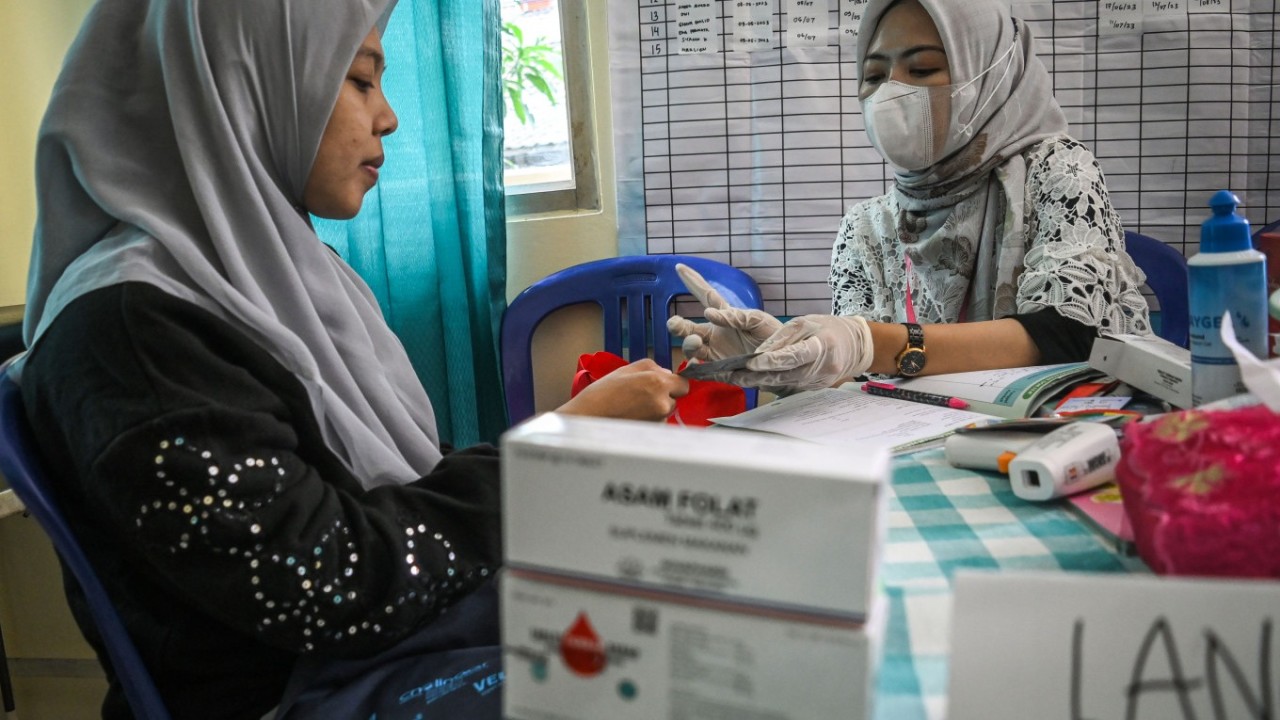
Image courtesy of Sulthony Hasanuddin/ Antara
A recent report reveals that Indonesians have access to less than 9 percent of all new medicines launched globally since 2012, and they often wait an average of 40 months after global regulatory approval to access these products. This situation is especially concerning compared to most ASEAN neighbors.
The problem is exacerbated by the fact that the National Health Insurance (JKN) does not cover modern medicines. The government has prioritized expanding coverage to 280 million people—an impressive achievement—but this has come at the expense of the quality of medical services and financial protection. While private access to new therapies is possible after regulatory approval, most patients cannot afford them out-of-pocket. As a result, many Indonesians miss out on innovative treatments that are readily available in neighboring countries. It's no surprise, then, that nearly 2 million Indonesians travel abroad each year for medical treatment.
The Opportunity
Improving healthcare quality is Indonesia’s greatest opportunity to become a high-income nation by 2045. The broader economic and social consequences of inadequate care—such as long-term disability, impairment, and lost productivity—cost the country billions of dollars annually.
Recognizing this, the government has introduced significant policy reforms to enhance resilience, increase self-reliance, and improve public health. The recent passage of the new Health Law by the House of Representatives represents a major step toward attracting foreign talent and transforming healthcare services. However, amid these sweeping changes, the critical issue of access to new medicines and technologies remains largely unaddressed.
Why Is Indonesia Overlooking Biopharmaceutical Innovation?
The answer lies in Indonesia's longstanding protectionist policies, which prioritize domestic production of generic medicines. Over the past 15 years, consistent government support has allowed local manufacturers to thrive, while global pharmaceutical companies have struggled, often operating below capacity or exiting the market altogether. This "local first" trend continued with the implementation of JKN, with local companies relying heavily on imported active pharmaceutical ingredients (APIs), which still account for over 90 percent of the industry's needs. The belief that innovative drugs are too expensive to be included in BPJS coverage has underpinned the Universal Health Coverage (UHC) agenda.
The COVID-19 pandemic brought "resilience" and "self-reliance" to the forefront of national discussions on reducing dependency on imported medicines and vaccines. Consequently, innovative medicines and foreign pharmaceutical firms were increasingly viewed as incompatible with the national goal of achieving UHC and self-reliance. Additionally, the minimal inclusion of new products in the BPJS and the introduction of local content requirements (TKDN) have effectively priced foreign pharmaceutical companies out of the market, making Indonesia one of the least attractive markets in the region.
What Needs to Change?
Decisions regarding the pricing and reimbursement of new medicinal products are made at the national level. However, the rapid pace of technological advancements, increasingly complex therapies, and the integration of various technologies are transforming regulatory practices, clinical outcomes, and health standards. This evolving landscape calls for closer collaboration across the healthcare spectrum.
- Seizing Momentum: Indonesia must capitalize on the current health transformation momentum to make innovative treatments available to patients as quickly as possible.
- Developing a National Medicines Strategy: The country should craft a comprehensive national medicines strategy aligned with its ambition to become a high-income, developed nation. This move will enhance knowledge and improve access to essential therapies.
- Increasing the Medicines Budget: A forecast and plan to incrementally increase the national medicines budget is crucial to approaching the OECD average. Without a concrete plan, progress is unlikely. Other countries are already prioritizing mechanisms to achieve this level of spending, and Indonesia should follow suit.
- Balancing Health Outcomes and Budget: JKN needs a strategic approach to manage the trade-offs between improving health outcomes and controlling costs. While trade-offs are inevitable in the pursuit of UHC, they must be carefully managed.
- Enhancing Predictability and Transparency: The government must offer greater predictability and transparency in National Formulary (Fornas) decision-making processes.
- Centralizing Health Technology Assessments (HTA): HTAs should play a central role in designing JKN lists and benefit packages. This requires significant investment in developing specialized knowledge, skills, and resources.
- Updating the Essential Medicines List: Revising the national list of essential medicines to reflect current health priorities is essential for setting standards that align with Indonesia's health goals.
Timely access to new medicines can save lives, improve health outcomes, reduce healthcare costs, boost economic productivity, and make Indonesia a more attractive destination for future investment and innovation. Now more than ever, all stakeholders must collaborate to achieve the best possible health outcomes for citizens while embracing innovations and ensuring the sustainability of the UHC system.

Ait-Allah is a healthcare leader with nearly four decades of experience.
Read more about authorRelated Services


Market Entry & Launch Strategy
From ambition to grounded market presence.
We guide organizations through market assessment, entry design, and stakeholder engagement, turning ambition into actionable strategies tailored to Southeast Asia's realities.


Policy Strategy for Access & Reimbursement
Where innovation meets affordability.
We support client in shaping access frameworks, reimbursement pathways, and pricing strategies that balance commercial value with public health impact.
Turning strategy into action, together.
Start a ConversationOther Insights
Loading