
Health Systems & Policy
What if the success of Indonesia’s health transformation hinged on tracking health expenditures?
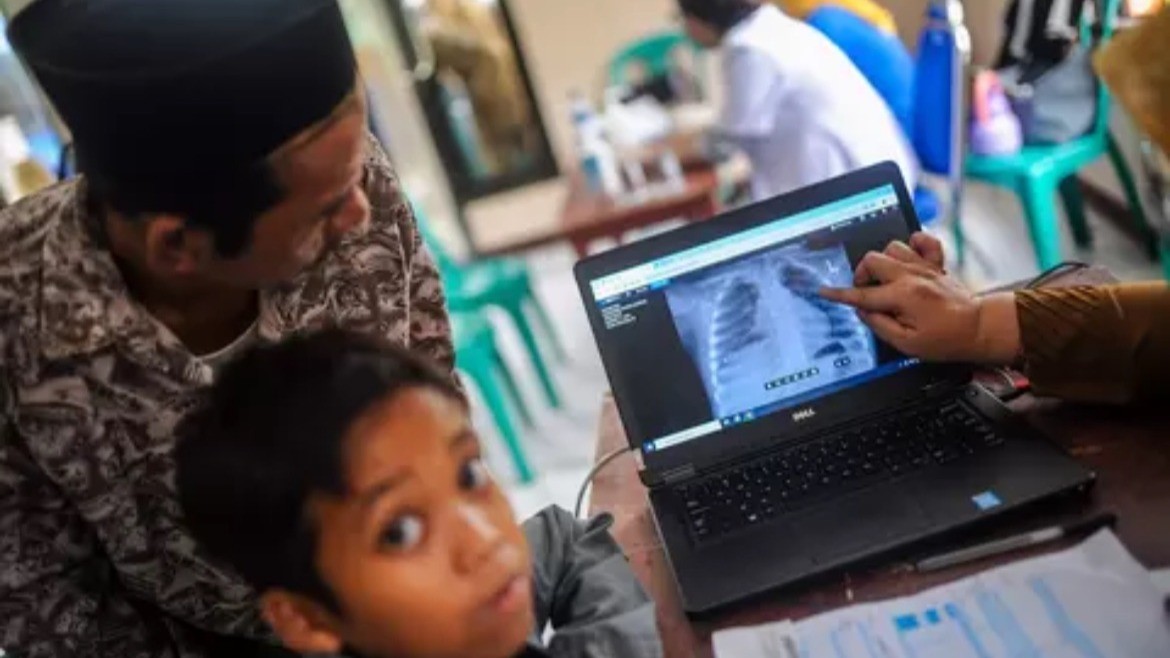
Photo/Muhammad BagusKhoirunas
On June 14, WHO and Indonesia’s Ministry of Health launched a bold but underappreciated initiative: improving how we track health spending through National Health Accounts. It may sound technical,but it could be the missing link between policy ambitions and real impact.
Are we getting more health for the money?
Indonesia’s health spending reached Rp 614.5 trillion (US$ 375.5B) in 2023. Public financing covered 57.4%, while out-of-pocket spending dipped to 28.6%—still high. Primary health care spending rose 18.3% over pre-pandemic levels. But per capita spending is low (US$ 144.7), and public health expenditure remains just 2.9% of GDP.
We’re spending more than before.
But are we spending wisely?
Globally, up to 40% of health spending is wasted. In Indonesia—with 500+ districts, fragmented reporting, and limited private sector visibility; that risk is even greater.
What we can’t see, we can’t fix
Every rupiah untracked is a missed vaccination, a clinic without medicine, or a family pushed into poverty. We cannot transform health outcomes if we don’t know where the money goes...or what it achieves.
How to spend better, not just more
To get real value for money, we need bold shifts:
- Prioritize what works: Fund proven interventions in maternal, child, and NCD care
- Target better: Allocate resources where the needs are greatest
- Strengthen PHC: Invest in early care to reduce hospital dependence
- Promote equity: Reach remote and marginalized communities
- Reduce inefficiencies: Streamline supply chains and procurement
Crucially, we must also recognize the role of doctors and community health workers. Clinical decisions and frontline practices shape daily spending. Empowering them with data, feedback, and better tools is key to smarter care.
Five Practical Actions
- Link central transfers (DAK) to transparent reporting
- Deploy finance experts to under-resourced districts
- Launch a Health Budget Scorecard for public accountability
- Pilot private sector data integration in key provinces
- Expand SatuSehat to include real-time financial tracking, built into daily clinical workflows
What’s next
Indonesia plans to integrate private sector data and improve system interoperability. This is critical to building a sustainable, pro-equity health financing system.
The digital tools exist.
The funding is growing.
The political will is there.
Let’s not waste the opportunity.
Let’s track better, spend better—and deliver better health for all.
#IndonesiaHealth #HealthFinance #UHC #PrimaryCare #SatuSehat #CommunityHealthWorkers #Doctors #FiscalTransparency #HealthReform #Leadership #PublicSpending

Ait-Allah is a healthcare leader with nearly four decades of experience.
Read more about authorRelated Services


Public‒Private Partnerships & Innovative Financing
From pilot to lasting impact
We design and manage partnerships that turn proven concepts into scalable programs, ensuring sustainability through local ownership and system alignment.


Senior Perspective and Trusted Counsel on Complex Strategic Decisions
Trusted advice from experienced experts.
We assist clients in developing access frameworks, reimbursement strategies, and pricing models that align commercial interests with public health goals.
Turning strategy into action, together.
Start a ConversationOther Insights
Loading