Health Systems & Policy
World Health Day 2025: bridging the gap with a global call to action for equity and accountability
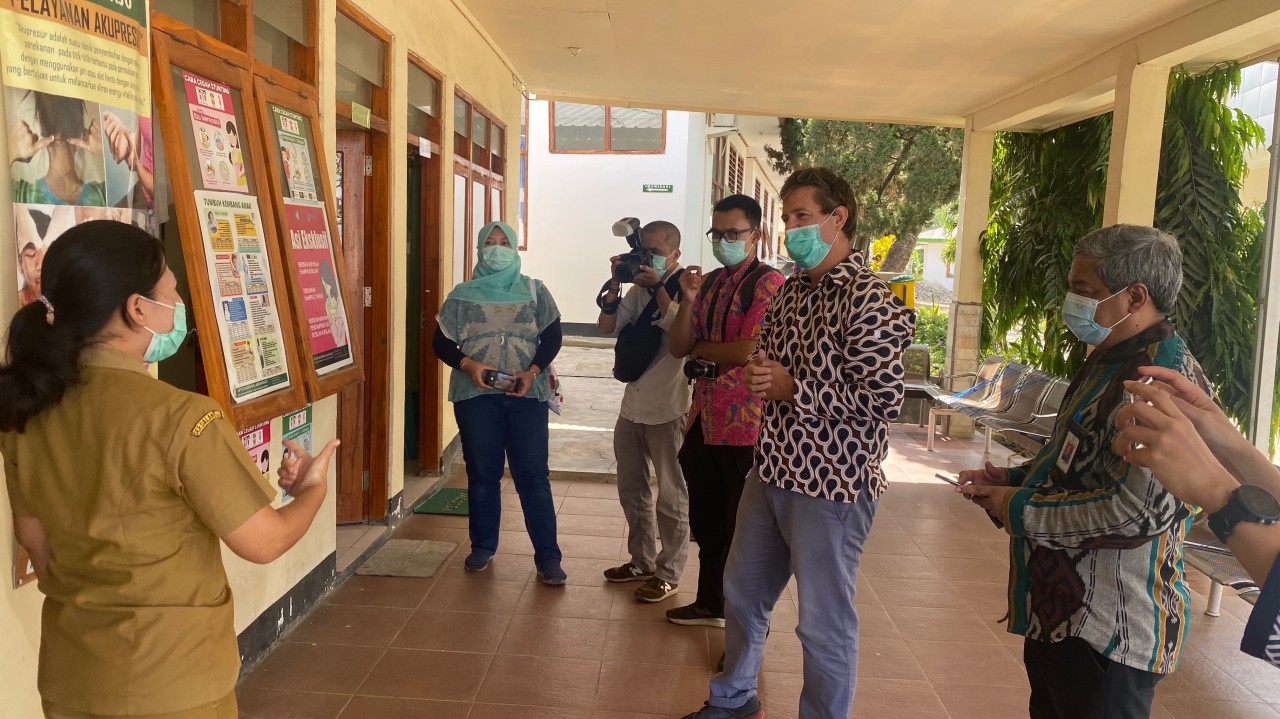
Raising awareness, fostering change (combating stunting in East Nusa Tenggara)
As we mark World Health Day 2025, the state of global health stands at a crossroads. Despite over two decades of rhetoric on achieving universal health coverage, the reality remains starkly different for millions worldwide. Health disparities persist, with marginalized populations facing significant barriers to essential care, while the global community, particularly wealthier nations, has yet to fully honor its commitments to global health equity.
The persistent global health divide
The COVID-19 pandemic underscored the deep inequities embedded in global health systems. While wealthier nations were able to rapidly roll out vaccines and provide treatment to their populations, many lower-income countries were left behind. This gap in healthcare access was not a temporary issue; it is the outcome of decades of entrenched inequalities that place profit above people’s well-being, and it is further exacerbated by ongoing geopolitical conflicts and economic crises.
Health systems in low- and middle-income countries are often fragile, underfunded, and ill-prepared to meet the needs of their populations. In regions affected by conflict, the situation is even more dire. Health workers, typically the most dedicated members of society, are exposed to violence and inadequate resources, undermining their ability to provide care. Tragically, these communities experience both the dehumanization and marginalization that are not only moral failures but also global health crises demanding urgent attention.
Compounding these challenges is the global phenomenon of brain drain. Skilled health workers are increasingly leaving low- and middle-income countries for better-paying opportunities in wealthier nations. This migration of healthcare professionals—particularly from the Global South to the North—leaves already fragile health systems in a dire situation. While wealthier nations benefit from the expertise of these professionals, the countries that need them most suffer a depletion of critical healthcare resources, further widening the health disparity.
The disconnect: rhetoric vs. reality
Over the past two decades, global health discussions have been marked by ambitious promises, exemplified by frameworks like the Sustainable Development Goals (SDGs) and the Universal Health Coverage (UHC) agenda. Yet, despite the global consensus on the need for equitable health services, tangible progress has been slow. Wealthier countries, which hold the power to shape global health priorities, continue to invest steadily in their own healthcare systems while neglecting the needs of the most vulnerable populations.
The contrast between the discourse on health equity and the lack of actionable outcomes is not just a policy failure but a failure of compassion. How many more years of "commitments" and "talks" do we need before real action is taken?
Moreover, global economic pressures are adding to the burden. The current global economic crisis, exacerbated by factors like Trump's tariffs and cuts to U.S. foreign aid, has severely hampered international efforts to support health systems in developing countries. The reduction in global financial support has placed even more strain on low-income nations, preventing them from making necessary investments in healthcare infrastructure and the protection of health workers.
The disempowerment of WHO: a barrier to global health progress
A critical issue that must be addressed is the disempowerment of the World Health Organization (WHO). Over recent years, the WHO has faced growing political interference, underfunding, and a lack of authority to enforce global health norms. The organization, which should be the central coordinating body for international health efforts, has seen its influence undermined by geopolitical tensions and the withdrawal of support from powerful member states.
This erosion of the WHO’s power hampers its ability to respond effectively to global health crises, as seen during the COVID-19 pandemic. The politicization of the WHO has led to delays in decision-making and a lack of coordination among countries, ultimately worsening health outcomes worldwide. Without a robust, independent WHO with the authority to enforce global health standards and mobilize resources, the world will continue to be vulnerable to health emergencies and inequities.
Strengthening WHO and global health systems
To contribute to the ongoing dialogue on global health, the following ideas are offered for consideration:
- Reinforce WHO's authority and funding
- Commit to Universal Health Coverage (UHC) for all
- Protect health workers everywhere
- Increase funding for global health initiatives
- Address the root causes of health inequality
- Prioritize global health diplomacy
A call for urgent awakening
The disparities in global health are not just an issue for the developing world; they are a collective failure that affects the whole of humanity.
On this World Health Day 2025, it is time for the global community, especially wealthier nations, to move beyond rhetoric. Past promises have failed to translate into meaningful action, and the time for change is now. A renewed commitment to equity, the protection of health workers, and sustained investment in global health, particularly through the revitalization of the WHO, is essential to building a future where health is not a privilege but a right for all.
This is the moment to act, not just in words, but in deeds. For a healthier, more equitable world, we must act with urgency and compassion. Only then will we honor the spirit of World Health Day and achieve the global health outcomes we’ve long discussed but have yet to fully realize.
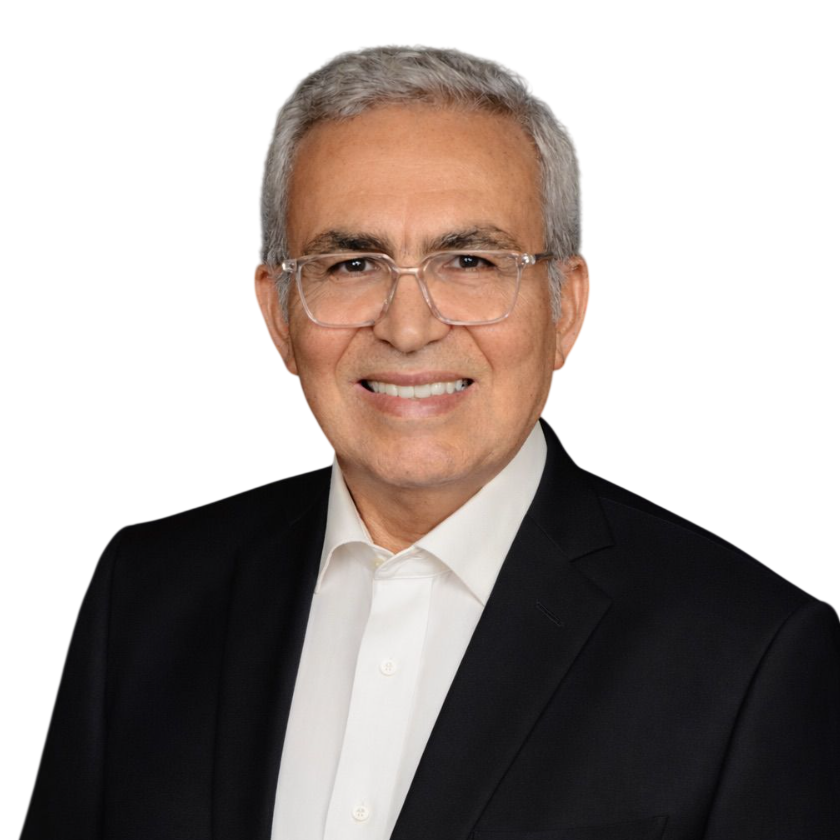
Ait-Allah is a healthcare leader with nearly four decades of experience.
Read more about authorRelated Services


Public‒Private Partnerships & Innovative Financing
From pilot to lasting impact
We design and manage partnerships that turn proven concepts into scalable programs, ensuring sustainability through local ownership and system alignment.


Senior Perspective and Trusted Counsel on Complex Strategic Decisions
Trusted advice from experienced experts.
We assist clients in developing access frameworks, reimbursement strategies, and pricing models that align commercial interests with public health goals.
Turning strategy into action, together.
Start a ConversationOther Insights
Loading